

Betrayal Trauma: The Ultimate Guide
Written and clinically reviewed by Duane Osterlind, LMFT, CSAT-S
Published: February 27th 2026·
Last reviewed: July 27th 2026
If you’re reading this, something has happened that’s turned your world upside down — or you’re trying to understand what someone you love is going through. Either way, you’re in the right place.
This guide is written for two people. The partner who is living through the trauma of betrayal — the discovery, the questions that won’t stop, the body that won’t calm down. And the partner who caused the harm and genuinely wants to understand it, so they can show up differently. Both of you belong here. So you always know who I’m speaking to, I’ll mark it as I go:
To the partner who was betrayed:
To the partner who caused the harm:
I’m Duane Osterlind, a licensed marriage and family therapist and certified sex addiction therapist supervisor. I’ve spent more than fifteen years sitting with people in the days and months after betrayal. Take this at whatever pace you need; you don’t have to read it all at once.
What this guide covers
If you’re in crisis right now, you don’t have to wait until the end of this page — you can book a consultation, or text us at 855-729-8328.
What Is Betrayal Trauma?
To the partner who was betrayed:
I’ve sat across from hundreds of people in the days and weeks after discovery. And there’s one thing I hear more than almost anything else: “I felt shattered. It felt like a death.”
That’s not an exaggeration. That’s not someone being dramatic. What I’ve seen in my work over the past 15 years is that the discovery of a partner’s infidelity, sex addiction, or porn addiction doesn’t just cause heartbreak — it causes trauma.
Real, clinical, measurable trauma. And until we call it what it is, we can’t treat it properly.
A Clinical Definition
Dr. Jennifer Freyd, a psychologist at the University of Oregon, first introduced the concept of betrayal trauma in 1996. She defined it as a violation by someone who is relied on or depended upon for safety, security, and survival (Freyd, 1996).
The critical factor is the nature of the relationship. You won’t experience betrayal trauma from a coworker’s dishonesty or a neighbor’s broken promise. Betrayal trauma occurs specifically within a relationship where there is a deep expectation of trust and safety — like a marriage or a committed partnership.
“Betrayal trauma occurs when the people or institutions on which a person depends for survival significantly violate that person’s trust or well-being”

One of Freyd’s most important insights is the concept of betrayal blindness — the idea that the brain may actually suppress awareness of a partner’s betrayal in order to preserve the attachment.
“This isn’t weakness. It’s not stupidity. It’s an evolved survival mechanism. ”
The brain prioritizes the attachment bond over accurate perception of reality, because acknowledging the betrayal would mean confronting the possibility that the person you depend on most is also the person causing you harm.
This is why so many betrayed partners describe a disorienting experience of “knowing and not knowing” simultaneously — sensing that something was wrong while also being unable to fully see it.
Freyd, J. J. (2024). Jennifer J. Freyd. University of Oregon. https://dynamic.uoregon.edu/jjf/
Why Betrayal Isn’t “Just” Heartbreak

To the partner who caused the harm:
Read that again. This is the world your partner is now living in, not drama, not punishment, but a nervous system fighting for survival. You don’t have to fix it today.
Understanding it is step one, and it’s the most important step you’ll take.
To understand why betrayal hits this hard — and why it won’t simply pass with time — we have to look at what’s happening in the brain
Heartbreak is grief over the loss of something you valued. And grief is hard, don’t get me wrong. But betrayal trauma is grief plus the shattering of your reality.
One of the ways this is often explained to clients is through a metaphor. Imagine your brain has a filing cabinet. In that cabinet, you’ve organized everything you know about your life, your partner, your marriage, your shared memories, your sense of safety, your identity.
When betrayal is discovered, it’s as if someone ripped open every drawer and dumped all those files on the floor. Nothing is where it’s supposed to be.
You can’t tell which memories are real and which were built on deception.
Your brain is scrambling to pick everything up, reorganize it, make sense of it — and it can’t, because the fundamental framework you used to organize your world has been destroyed.
That continual review, the questions asked over and over, the checking, the fact-finding — is the brain’s way of trying to reorganize those files.
It’s not an obsession.
It’s a primal, non-conscious, automatic neurobiological process. Your brain is telling you it’s a matter of survival to make sense of what happened.
What’s Happening In Your Brain
When someone is betrayed by their partner, the brain doesn’t file it as a bad relationship experience. It files it as a survival-level threat. And every symptom that follows — the hypervigilance, the flashbacks, the fog, the rage, the sleeplessness — is the brain doing exactly what it was designed to do.
Three brain regions change how they function after the discovery of betrayal. Understanding what’s happening in each one is the single most important thing I can give you — because when you see the neuroscience of betrayal trauma, everything your partner is experiencing finally makes sense.
The Amygdala: Your Brain’s Alarm System
The amygdala is the brain’s primary threat-detection center. After betrayal is discovered, it becomes hyperactive and chronically sensitized — flooding the system with cortisol and adrenaline, locking the body into constant fight or flight. This isn’t temporary. The amygdala stays fired up until it has enough evidence of safety.
This is the engine behind hypervigilance, checking phones, monitoring locations, analyzing tone of voice, tracking how long errands take, and behind the trigger sensitivity that makes a song, a cologne, or a time of day set off a full stress response.
The amygdala is asking one question on repeat: Am I safe? Am I safe? Am I safe? Until it gets enough evidence that the answer is yes, it will not stop scanning. That’s not a choice. That’s neurobiology.
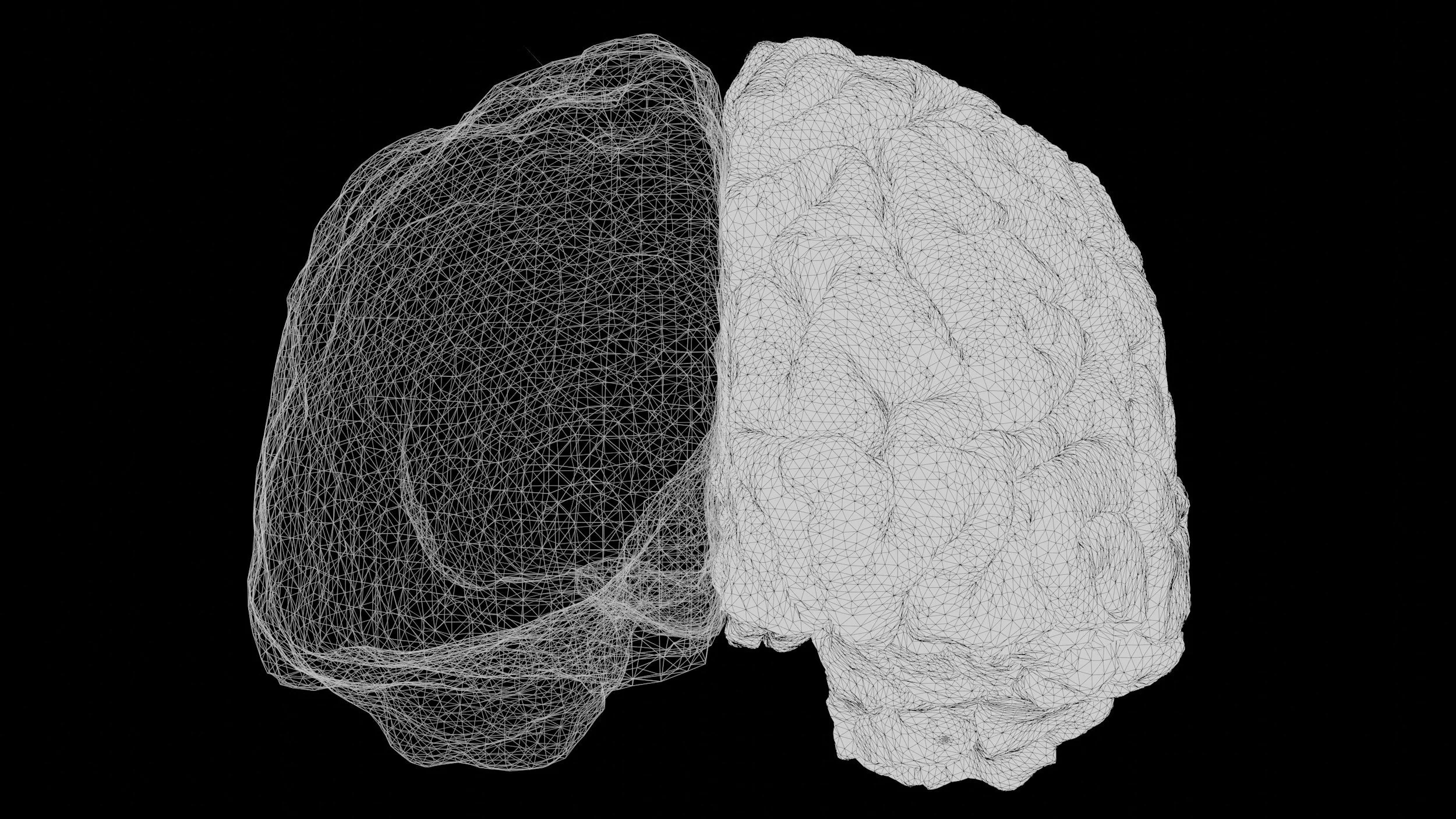
The Hippocampus: The Filing Cabinet
The hippocampus organizes memories into a coherent story and gives us a sense of identity, the filing cabinet from earlier. When betrayal is discovered, the flood of cortisol impairs it, so the traumatic memories never get filed. Every file gets dumped on the floor. The memories stay “live,” unprocessed, fragmented, and emotionally charged.
That’s what produces intrusive thoughts, flashbacks, nightmares, and the obsessive questioning: the brain searching for information to reorganize the story.
To the partner who caused the harm:
When your partner asks the same question for the tenth or twentieth time, it’s not because they forgot the answer. Their brain is telling them: if I can figure out what actually happened, maybe I can predict what’s coming next — and maybe I can keep myself safe. It’s a primal, non-conscious process. This review is a neurobiological necessity. They cannot help it.
The Prefrontal Cortex: The CEO Goes Offline
The prefrontal cortex is the brain’s executive center, responsible for logic, emotional regulation, and decision-making. Under trauma, its activity is diverted to fast survival circuits. The thinking brain goes dark while the alarm brain runs the show. This is what people call “affair fog”: unable to focus, reading the same paragraph four times, forgetting why they walked into a room, rage that feels completely unlike them. It’s not weakness — it’s the PFC taken offline by cortisol.

The Cortisol Cycle: Why the Body Can’t Rest
Underneath all three of these brain changes is one biochemical driver: chronic cortisol release. Cortisol keeps the amygdala hyperactive. It further impairs the hippocampus. It suppresses the prefrontal cortex. And it takes a devastating toll on the body — disrupting sleep, compromising the immune system, causing headaches, nausea, and profound fatigue.
As Bessel van der Kolk’s research on trauma demonstrates, the body keeps the score. This is why betrayed partners get sick more often, can’t sleep, lose or gain weight, and feel physically exhausted even when they haven’t done anything.
These three systems create a vicious feedback loop: a trigger activates the amygdala, which floods the system with cortisol, further impairing the hippocampus and keeping the prefrontal cortex offline, leaving nothing to calm the amygdala, so the cycle keeps running. In betrayal trauma, this loop runs 24/7, especially in the early months after discovery.
What Actually Calms the Traumatized Brain
Here’s what matters most for healing: the amygdala doesn’t calm down because of words. It calms down because of repeated, predictable experience. Information alone doesn’t create safety — information plus predictable behavior creates safety.
To the partner who caused the harm:
When you say what you’ll do and then do it, consistently, over time, the traumatized brain gets a new data point. With enough data points, the amygdala begins to stand down. Validated responses help too: when your partner hears “your reactions make sense” instead of “you’re overreacting,” the nervous system registers safety rather than threat.
But here’s where it gets hard. Shame blocks empathy. When the person who caused the betrayal is flooded with shame, the brain activates defenses, and everyone of them abandons the partner again, keeping the amygdala on alert. This is the heart of why healing stalls, and we’ll come back to it. For now, hold onto this: shame resilience, the ability to feel shame and choose empathy anyway, is the skill that breaks the cycle.
The Brain Can Rewire
The trauma pathways active right now are not permanent. Through neuroplasticity, the brain can rewire itself in response to new experience. The hyperactive amygdala can learn to calm down. The hippocampus can reorganize the story. The prefrontal cortex can come back online. Every time the person who caused the harm shows up with honesty rather than deception and consistency rather than chaos, the brain gets another data point — and, slowly, the amygdala learns it can begin to trust again.
Now that you know why your brain is doing this, here’s what it actually looks like, day to day.

What It Looks Like: The Symptoms
To the partner who was betrayed:
If you’re wondering whether what you’re experiencing is “normal,” here’s the clearest way I can say it: the symptoms of betrayal trauma directly mirror the diagnostic criteria for PTSD in the DSM-5. The International Society for Traumatic Stress Studies recognizes that sustained interpersonal betrayal produces Complex PTSD symptomatology (ISTSS, 2012), and clinicians increasingly use the DSM-5 diagnosis of Other Specified Trauma / Stressor-Related Disorder, code 309.89, for partners (Minwalla, 2021).
This trauma is happening right now — a new wound, not an old one reopened.
The Six Faces of
Betrayal Trauma
Six symptom patterns partners experience after discovery — each one mirroring the DSM-5 diagnostic criteria for Post-Traumatic Stress Disorder.
Intrusive Thoughts
Unwanted, recurring images and thoughts about the betrayal that intrude without warning — during work, conversations, or quiet moments.
Hypervigilance
A constant state of scanning for threat — checking phones, tracking locations, analyzing tone. The brain is on permanent high alert.
Flashbacks
Suddenly reliving the moment of discovery as if it’s happening right now — complete with the physical sensations of that first shock.
Emotional Numbing
Periods of feeling nothing at all — a protective shutdown where the nervous system disconnects to survive overwhelming pain.
Avoidance
Avoiding places, people, songs, or situations that trigger memories of the betrayal — including physical intimacy and emotional closeness.
Sleep Disruption
Insomnia, nightmares, and an inability to rest — because a brain on threat alert doesn’t allow deep sleep. Exhaustion compounds every other symptom.
This trauma is happening right now. It’s not a wound from the past being reopened. It’s a new wound — and it needs to be treated as one.
Clinicians increasingly use the DSM-5 diagnosis of Other Specified Trauma/Stressor-Related Disorder (309.89) for partners of betrayal, because post-traumatic symptoms are unmistakable even though the traumatic event doesn’t involve physical injury or death. These symptoms arise in response to the current traumatic event, not a triggering of prior trauma.
APA, Diagnostic and Statistical Manual of Mental Disorders, 5th ed. (2013) • ISTSS, Expert Consensus Guidelines for Complex PTSD (2012)
Freyd, Betrayal Trauma: The Logic of Forgetting Childhood Abuse (1996) • Minwalla, The Secret Sexual Basement (2012, 2021)

Cluster 1: Intrusion
The Memories That Won’t Leave You Alone
This is what happens when the hippocampus can’t file a traumatic memory: it stays live, and your brain replays it without permission. Intrusive thoughts flood in at work, at dinner, in the middle of the night. Flashbacks drop you back into the moment of discovery with full sensory intensity. Nightmares fragment your sleep. A song, a cologne, watching your partner pick up their phone — your stomach drops and your heart races as if it’s happening again. One partner put it simply: “The intrusive thoughts are the single most apparent way this has scarred me.”
If this sounds like you: your brain is doing exactly what it’s supposed to do when a traumatic memory hasn’t been processed. This isn’t obsession. It’s neurobiology.

Cluster 2: Avoidance
The Things You Can’t Go Near Anymore
Avoidance after trauma isn’t denial — it’s your nervous system trying to protect you from being overwhelmed again. Refusing to go to the restaurant where you had date nights. Avoiding the route past a certain hotel. Not watching shows that depict infidelity. Pulling away from intimacy — not because desire is gone, but because closeness now feels unsafe. Sometimes it’s numbing out through social media, alcohol, or sleep, just to survive the day.
If you’ve been told you’re “shutting down” or “withholding,” please hear this: avoidance is a survival strategy. That’s not a character flaw. That’s self-preservation.

Cluster 3: Negative Changes in Thoughts and Mood
The Way Everything Feels Different
In my experience, this cluster causes the most suffering, because it changes how you see yourself, your partner, and the world. Persistent negative beliefs: “If I were enough, this wouldn’t have happened.” That’s carried shame — absorbing shame that belongs to the person who betrayed you. Self-blame for not seeing the signs. Shattered reality: “Was any of it real? Who is this person I married?” And emotional numbing — one partner said, “I was like a zombie for weeks… I felt dead inside for months.” Happiness starts to feel suspicious, because your nervous system has learned that good things are followed by devastation.
If you recognize yourself here: these are the cognitive and emotional consequences of having your reality shattered by someone you trusted completely. Your brain is trying to make sense of a world that no longer makes sense.

Cluster 4: Changes In Arousal & Reactivity
The Way Your Body Won’t Calm Down
This is the amygdala in permanent high alert. Hypervigilance — checking the phone, the location, the browser history. One partner described becoming a “police detective” in their own marriage, something they never wanted. Irritability and rage that feels completely unlike you — someone who never cursed or yelled, suddenly screaming. An exaggerated startle — a door closes and you jump. Concentration gone — “I’m repeating out loud whatever task I’m trying to perform, or I’ll forget what I’m doing.” And sleep that comes apart — “the night was more like a series of naps.”
If your body won’t calm down: it’s not because you’re choosing to stay upset. It’s because your nervous system believes the threat is ongoing.
A Fifth Wound — The Sexual Impact
This one is specific to betrayal and has no direct PTSD parallel — it’s unique to the relational and sexual nature of this trauma. Loss of interest in sex, difficulty with arousal, intrusive sexual images during intimacy, and feeling objectified. One partner described it: “I started seeing the world the way he does, through the lens of pornography; I judged everyone through that sexualized lens.” Others describe being triggered during intimacy, or having sex only out of fear of what their partner will do if they don’t.
And it lives in the body, too, such as headaches, digestive issues, exhaustion, and getting sick more often. The body keeps the score.
To the partner who caused the harm:
This is the daily reality behind the reactions you may be taking personally. The “detective” behavior, the questions, the shutting down — these aren’t attacks on you. They’re symptoms. Seeing them that way is what makes a different response possible.
You’re Not Crazy — and You Didn’t Cause This
To the partner who was betrayed:
I need to say this plainly, because I know what you might be telling yourself right now. You might think you’re losing your mind. That you’re overreacting. That you should be “over this by now.” Maybe someone has even told you that — a friend, a family member, even a therapist who didn’t understand betrayal trauma.
Here is the truth: every single thing you’re experiencing is a normal, expected, neurobiological response to betrayal. The intrusive thoughts are your brain trying to file a memory it can’t. The hypervigilance is your amygdala doing its job. The rage that scares you is your prefrontal cortex knocked offline. The numbness, the fog, the way joy feels like it belongs to another life — all of it has a clinical explanation. These are not signs that you’re falling apart. They’re signs that your brain and body are responding to a traumatic event.
And here’s something else I want you to hear: you did not cause this. You didn’t miss the signs because you were naive. You didn’t stay because you were weak. If part of you sensed something but couldn’t quite see it, that’s betrayal blindness — your brain protecting the attachment it believed you needed to survive. That’s not foolishness. That’s neurobiology.
You’re experiencing the same kind of trauma response seen in combat veterans, assault survivors, and people who’ve lived through disasters. The DSM-5 recognizes it. The therapists who specialize in this work see it every single day. The fact that you’re here, trying to understand what’s happening to you — that takes courage. It tells me that even in the middle of this, some part of you knows you deserve to make sense of it.
To the partner who caused the harm:
Read this section twice. This is the experience your empathy has to meet, and learning to meet it is the work ahead. So if all of this is normal, and the brain can heal… why doesn’t healing just happen once the truth is out? That’s the question almost no one answers honestly. Let’s go there.
For a deeper look at each of these symptoms, with more of what partners actually experience, read our full guide: Why Betrayal Trauma Feels Like PTSD.
The Shame Connection: Why Healing Stalls After Betrayal
So why doesn’t the healing just happen once the truth is out? You’d think honesty would be enough. But it usually isn’t. The single thing that blocks recovery more than anything else I see isn’t the betrayal itself — it’s what happens next: shame. Specifically, the shame that floods the person who caused the harm, because that shame, left unmanaged, makes empathy impossible at the exact moment the betrayed partner needs it most.
The One Thing That Calms a Traumatized Brain
Remember what we covered in the neurobiology section: the betrayed partner’s amygdala is on high alert, scanning for danger, asking Am I safe? on repeat.
It won’t stand down on words alone. It stands down on experience — repeated, predictable, felt experience of safety. And there is one experience that does more to create that safety than any other. It isn’t an apology. It isn’t a promise. It isn’t a grand gesture or a perfectly worded explanation. It’s empathy — the felt sense of being truly seen by the person who caused the pain.
When a betrayed partner hears, in tone, body, and presence, “I see your pain, I understand why you’re in it, and I’m not going anywhere,” the nervous system registers safety. The amygdala gets a new data point. Enough of those data points, over time, and the alarm begins to quiet.
Empathy isn’t a soft skill here. It’s the primary mechanism by which a traumatized nervous system learns the danger has passed. Which means the person who caused the harm holds something powerful: the capacity to either soothe their partner’s nervous system or keep it locked in survival mode.
Why Shame Shows Up Exactly When Empathy Is Needed
Here’s the collision. The partner is in pain and showing it — and when the person who caused the betrayal witnesses that pain, shame floods in before empathy gets a chance. And shame is not guilt. Guilt says, I did something bad — it’s about behavior, and it points toward repair. Shame says, I am bad, I am defective, I’m the kind of person who does this. The brain treats that as a threat to survival: the amygdala fires, cortisol floods, the prefrontal cortex goes offline — and a brain under threat defends. Not because the person doesn’t care; often it’s the ones who care most who feel shame the hardest.
The Four Directions of Shame
Psychiatrist Donald Nathanson mapped the four directions people move when shame becomes unbearable — the Compass of Shame. Withdrawal: going silent, shutting down, leaving the room. Attack Self: collapsing into self-hatred, making the moment about your own worthlessness. Avoidance: minimizing, changing the subject, numbing, staying busy. Attack Other: getting defensive, turning it back — “How long are you going to keep punishing me?” Each is a strategy to escape the feeling of shame. And every one of them takes you away from your partner at the moment they need you closest.
Want to see which direction you tend to go? Download the free Compass of Shame eBook.
Why Every Defense Abandons the Partner Again
Put the two nervous systems side by side and you see the trap. The betrayed partner’s brain is asking, Am I safe? Is this person here with me? And every shame defense answers no. Withdrawal says you’re alone. Attack self says now I have to take care of you. Avoidance says your pain isn’t safe to look at. Attack other says you’re the problem. Whatever the intention, the partner’s nervous system reads the same message: abandoned again. That’s why healing stalls — not because the couple doesn’t love each other, but because every time shame takes the wheel, the betrayed partner gets reinjured.
For a closer look at why shame shuts empathy down, read the shame-empathy gap.
Shame Resilience: The Skill That Breaks the Cycle
If shame is what blocks healing, the work isn’t to never feel shame — that’s not possible. The work is to feel shame and not be run by it. That capacity has a name: shame resilience. It’s noticing the heat climb your neck and the urge to defend or disappear — and staying anyway. Saying, in effect: this feeling is intense, but it isn’t an emergency, and my partner’s pain matters more than my discomfort right now. That’s the skill that interrupts the cycle, and it’s exactly what the Shame to Resilience workshop is built around — because in fifteen years of this work, I’ve come to believe it isn’t one tool among many. It’s the foundation.
There Is a Way Through
To the partner who caused the harm:
If you’ve felt yourself withdraw, or spiral, or get defensive when your partner is hurting — this isn’t a character verdict. It’s a nervous system doing what nervous systems do under threat. And it can change. The brain that learned to defend can learn to stay — the same neuroplasticity we covered earlier, pointed in a new direction.
To the partner who was betrayed:
The fact that your partner shuts down or gets defensive doesn’t mean they don’t care, and it doesn’t mean you’re asking for too much. It means there’s a specific skill missing — one that can be learned.
And if you're carrying shame about whether staying makes you weak, you're not — here's the shame of staying after betrayal.

The Path Forward: What Healing Requires
So where does this leave you? Healing after betrayal asks something of both people — and it asks different things of each.
To the partner who was betrayed:
You need what your nervous system has been asking for all along: empathy that doesn’t flinch, honesty without having to chase it, and behavior predictable enough, often enough, that your brain can finally gather the evidence of safety it’s been starving for. Not perfection — consistency. Repair when there’s a rupture. And the freedom to heal at your own pace, rather than anyone else’s timeline.
To the partner who caused the harm:
You need to do your own work — and here’s the part that surprises people. You can stop the behavior that caused the betrayal and still watch the relationship stay in crisis, because stopping the behavior was never the whole task. The other half is learning to stay present when shame floods in. That’s individual work and relational work, and it usually needs specialized support — a betrayal-trauma-informed therapist, a certified specialist for the addictive patterns, and a community of others doing the same hard, honest work.
A few places to start:
The actions that build real safety, not just words
why transparency isn't enough on its own
What real repair looks like in the path of disclosure
What to do when your partner is triggered.
I’ve also put together the full list of books I recommend to clients.
And give it time. Most acute symptoms stabilize within eighteen to twenty-four months with the right support; full integration is more like a three-to-five-year journey. That’s a hard timeline to hear. I’d rather tell you the truth than sell you a shortcut that doesn’t exist. But hear the hope in it: the brain that learned to defend can learn to stay. The nervous system that learned to brace can learn to trust again. People rebuild from here every day — not by going back to what was, but by building something more honest than what came before.
Ready to do the work?
The Shame to Resilience workshop teaches men the one skill this whole journey turns on — how to feel shame without being run by it, so you can show up with the empathy and steadiness your partner needs to feel safe again.
Self-Care and Support: What Eases the Path
When betrayal trauma upends your life, your nervous system will likely protest every next step. Self-care isn’t just lighting a candle or taking a walk (though, by all means, do those things if they help). It’s about finding practices and people that re-anchor you when the ground feels unreliable.
What Actually Helps
Let yourself feel, without judgment. The tidal wave of agony, anger, fear, or numbness is completely normal, not a sign you’re broken. Some days you may need to let it crash over you; other days, you might find a moment’s calm.
Lean into support. Whether it’s a longtime friend, twelve-step community, or a therapist with trauma training (like through APSATS or IITAP), gathering support isn’t weakness. Relationship injury heals best in safe company.
Move at your own pace. Your timeline is yours. You don’t need to rush decisions or “forgive and forget.” The process is often two steps forward, one step back. Give yourself space for that.
Gentle Anchors for the Everyday
Make room for expression. If you’re wired to talk, journal, paint, or scream into the wind, do it. If silence helps, honor that too.
Keep tending to your basics. Grief and anxiety make even breakfast heroic. Hot showers, sleep, getting outside—these aren’t small wins. They’re the threads that can help you hold on.
Remind yourself: your response makes sense. There isn’t a “wrong” way to hurt. Rage, bargaining, numbness, hope, despair—they all take a seat at the table during recovery.
When Professional Support Matters
Some pain is simply too big to carry alone, and that’s not a failing—it’s an injury to your trust biology. A skilled therapist can help you:
Interrupt cycles of self-blame and isolation
Untangle what’s yours from what never was
Find steadiness in the emotional storms
Reclaim your sense of agency and self-compassion
You might also try resources on nonviolent communication, mindfulness, or books listed in our book guide. Every form of support, however “small,” is a counterweight to trauma’s story of aloneness. You’re not stuck repeating history.
To the partner who caused the harm:
Your self-care matters too, and I know that can be a hard thing to hear right now. Maybe it even feels like you don't deserve it. But here's what I see in my work: when a man who has caused harm stops taking care of himself, shame takes over. Shame starts driving the bus. And a man who's being driven by shame can't stay present for his partner's pain. He gets defensive. He withdraws. He makes it about himself without meaning to.
So the basics apply to you as well — sleep, movement, your own therapist, your own support community of men doing this work honestly. Not so you feel better faster. So you can stay in the room. Your steadiness is part of what her nervous system is reading. Taking care of yourself is one of the ways you take responsibility.
Every form of support, however small it seems, is a counterweight to trauma's story that you're alone in this. You're not. And you're not stuck repeating history. It's hard work. It's really, really hard work. And it's possible.

Books & Clinical Works
American Psychiatric Association. (2013). Diagnostic and Statistical Manual of Mental Disorders (5th ed.). — psychiatry.org
Freyd, J. J. (1996). Betrayal Trauma: The Logic of Forgetting Childhood Abuse. Harvard University Press. — dynamic.uoregon.edu/jjf
Freyd, J. J. (n.d.). What Is Betrayal Trauma? What Is Betrayal Trauma Theory? University of Oregon. — dynamic.uoregon.edu/jjf/defineBT.html
Herman, J. L. (1992/2022). Trauma and Recovery: The Aftermath of Violence. Basic Books. — en.wikipedia.org/wiki/Trauma_and_Recovery
Minwalla, O. (2021). The Secret Sexual Basement: The Trauma of Deceptive Sexuality and How Partners Heal (the DST Model). — minwallamodel.com
Nathanson, D. L. (1992). Shame and Pride: Affect, Sex, and the Birth of the Self (the Compass of Shame). W. W. Norton. — en.wikipedia.org/wiki/Donald_Nathanson
van der Kolk, B. (2014). The Body Keeps the Score: Brain, Mind, and Body in the Healing of Trauma. Viking. — besselvanderkolk.com
Organizations, Guidelines & Further Support
Association of Partners of Sex Addicts Trauma Specialists (APSATS). — apsats.org
International Institute for Trauma and Addiction Professionals (IITAP). — iitap.com
International Society for Traumatic Stress Studies. (2018). Position Papers on Complex PTSD; Prevention & Treatment Guidelines. — istss.org
National Institute of Mental Health. Post-Traumatic Stress Disorder. — nimh.nih.gov
Substance Abuse and Mental Health Services Administration (SAMHSA). Trauma and Violence. — samhsa.gov/trauma-violence

Frequently Asked Questions
-
Betrayal trauma is the clinical trauma response that follows discovery of a partner's infidelity, sex addiction, or porn addiction. Coined by Dr. Jennifer Freyd in 1996, it describes a violation by someone you depend on for safety — and it produces symptoms that mirror PTSD
-
Not identical, but the symptoms directly mirror the DSM-5 criteria for PTSD: intrusive thoughts, hypervigilance, flashbacks, avoidance, and sleep disruption. Clinicians often use the diagnosis Other Specified Trauma/Stressor-Related Disorder (309.89) for betrayed partners.
-
You're not going crazy. The checking, intrusive thoughts, rage, and numbness are your brain's survival responses to a real trauma — the amygdala on high alert and the prefrontal cortex offline. These are normal responses to an abnormal event.
-
With the right support, most acute symptoms stabilize within 18–24 months, and full integration is typically a 3–5 year process. Healing isn't linear — consistent, trustworthy behavior over time is what lets the nervous system settle.
-
Usually it's shame, not indifference. When the partner who caused the harm is flooded with shame, the brain defends — withdrawing, minimizing, or counter-attacking — and that abandons the betrayed partner again. Shame resilience is the skill that breaks the cycle.
-
Yes. The brain that learned to defend can learn to stay, and the nervous system that learned to brace can learn to trust again. Healing takes empathy, consistent honesty, specialized support, and time — but people rebuild from here every day.
“This guide is educational and isn't a substitute for therapy or medical care. If you're in crisis or thinking about harming yourself, you're not alone — call or text 988 (988 Suicide & Crisis Lifeline, 988lifeline.org). SAMHSA National Helpline: 1-800-662-4357. RAINN (sexual assault): 1-800-656-4673. National Domestic Violence Hotline: 1-800-799-7233.”